Contents
Introduction
Acne is among the most prevalent skin disorders, often starting in teenage years and, for many, persisting into adulthood. While topical treatments like niacinamide, benzoyl peroxide, or salicylic acid can help, they don’t always address the root causes. Factors like diet, stress, hormonal imbalance, and sleep patterns play a significant role in how your skin behaves.
The good news? With balanced nutrition, regular physical activity, and a simple, consistent skincare routine, you can support clearer, healthier skin naturally. This guide will cover what to eat, how to exercise safely, a minimal skincare approach, natural remedies, and frequently asked questions. By following these practical strategies, you can take meaningful steps toward reducing breakouts and improving your skin’s overall health.

How to eat for clear skin
Simple changes in diet can help prevent acne from recurring. Small, consistent adjustments often have the biggest impact.
Foods to Avoid
- Dairy: Dairy, especially milk, can increase IGF-1 production, which promotes androgen release. Increased levels of androgens can lead to an overproduction of sebum, which can result in blocked pores, especially in those who have PCOS.
- Sugar & High-Glycemic Foods: Foods that spike blood sugar—like sweets, white bread, and sugary drinks—trigger insulin surges. This can overstimulate oil glands and worsen acne.
- Ultra-Processed & Junk Foods: Burgers, fries, milkshakes, and sodas can promote inflammation in the body, which may exacerbate skin flare-ups.
Foods to Include
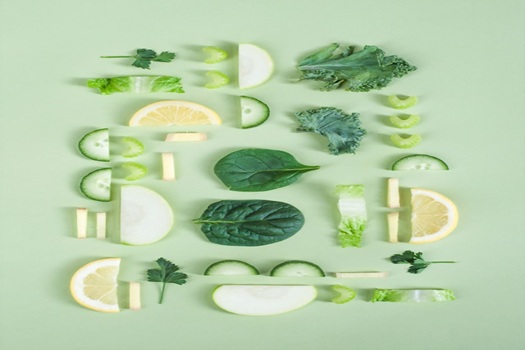
- Leafy Greens: Spinach, kale, and other vegetables provide antioxidants that reduce inflammation.
- Protein Sources: Lean meats, fish, tofu, and lentils support tissue repair and hormone regulation.
- Whole Grains & Legumes: These help maintain stable blood sugar levels, reducing insulin-related oil surges.
- Healthy Fats: Nuts, seeds, and foods high in omega-3s like flax and chia promote the health of the skin barrier.
Sample 1-Day Acne-Friendly Meal Plan:
- Breakfast: Oatmeal with berries and flax seeds.
- Lunch: Lentil salad with spinach, cucumber, and olive oil.
- Snack: Handful of almonds or walnuts.
- Dinner: Grilled tofu or fish with quinoa and steamed vegetables.
Small dietary tweaks, when practiced consistently, can support your skin alongside other acne management strategies.
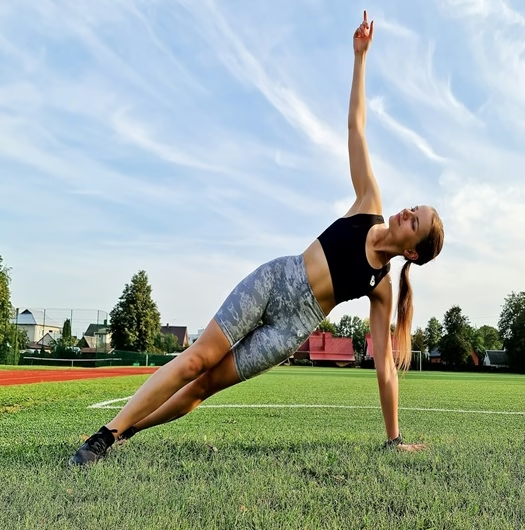
Exercise for clear radiant skin: benefits and hygiene tips:
Regular physical activity improves blood circulation, reduces stress, and supports hormonal balance—all of which can help manage acne. Exercise also boosts lymphatic drainage, helping your body remove toxins more efficiently.
Tips for Acne-Safe Workouts:
- Shower Soon After Exercise: Sweat can mix with dirt and bacteria, clogging pores.
- Wear Clean, Breathable Clothes: Tight, sweaty clothing can irritate skin and worsen acne.
- Avoid Touching Your Face: Frequent contact spreads bacteria from hands to skin.
Beginner-Friendly Exercise Ideas:
- Walking: 30–40 minutes daily boosts circulation without over-stressing the body.
- Yoga: Reduces stress and supports hormonal balance while being gentle on the skin.
- Light Strength Training: Increases metabolism and promotes overall health.
By combining exercise with hygiene measures, you can enjoy the benefits of physical activity while minimizing the risk of workout-induced breakouts.
Minimal Skincare Routine: Why Less Is More
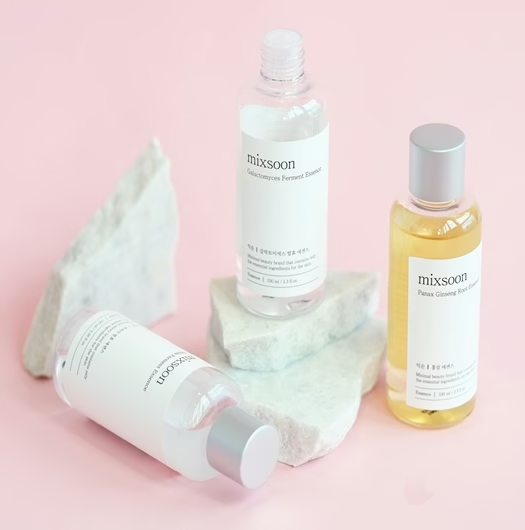
Although skincare is important, applying too many products can have negative effects. Layering multiple actives or frequently switching products may disrupt the skin barrier, causing irritation, dryness, or breakouts.
Simple, Barrier-Friendly Routine:
- Gentle Cleanser: Use a non-comedogenic cleanser twice daily.
- Moisturizer: Lightweight, non-comedogenic moisturizer keeps skin hydrated.
- Sunscreen: Daily protection prevents UV-related inflammation and scarring.
Actives (Optional)
- Niacinamide: Aids in diminishing wrinkles, enhancing skin brightness, addressing acne scars, and improving hyperpigmentation
- Salicylic Acid: Combats acne by removing dead skin cells, clearing pores of oil and debris, and minimizing inflammation, which aids in healing current breakouts and preventing the formation of new ones.
- Benzoyl Peroxide: eliminates bacteria that cause acne, diminishes inflammation, and aids in the removal of extra oil and dead skin cells that may block pores.
Note: Conduct a patch test. Apply 2–3 times a week to prevent overloading the skin.
The key is consistency. Supporting your skin barrier first ensures acne treatments work more effectively and reduces the risk of irritation.
Natural Home Remedies
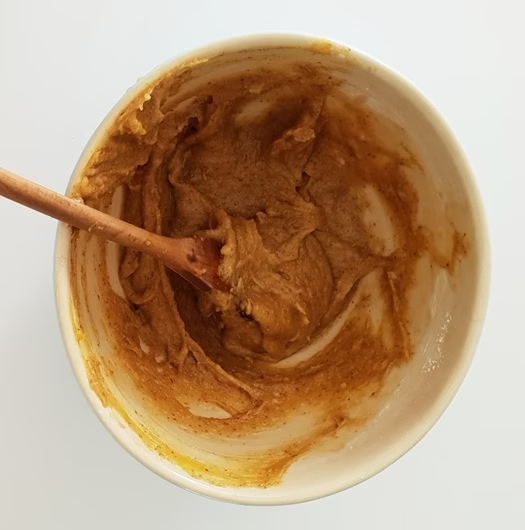
Some gentle, research-backed DIY treatments can complement your routine:
- Grape Cleanser: The resveratrol found in grapes could potentially combat bacteria that lead to acne. Mash a few grapes and rub over face, rinse with cool water.
- Cucumber & Oatmeal Mask: Blend 1 small cucumber + 1 cup oatmeal, mix 1 tsp yogurt, apply 30 mins, rinse.
- Honey Mask: Apply raw honey for 30 minutes to calm inflammation and promote healing.
- Yeast & Yogurt Mask: 1 tsp brewer’s yeast + plain yogurt on oily areas for 15–20 mins, rinse.
- Oatmeal Facial: 2 tsp oatmeal + 1 tsp baking soda + water, gentle application, rinse.
- Turmeric Mask: Mix chickpea flour, turmeric, sandalwood, ghee/almond oil, apply 5–10 mins, rinse.
Tip: Always patch-test first and avoid harsh DIY acids or raw egg treatments.
Common Acne Mistakes to Avoid
- Overwashing or scrubbing the face too aggressively.
- Popping pimples, which can cause scarring.
- Layering too many active ingredients.
- Ignoring diet, stress, or hormonal factors.
Small adjustments in these habits can reduce flare-ups significantly.
When to See a Dermatologist
Seek professional help if:
- Acne is cystic or nodular.
- You notice scarring or persistent redness.
- OTC treatments aren’t effective after 2–3 months.
Dermatologists can offer prescription medications, chemical peels, or laser treatments that are more effective and safer than many at-home remedies.
Conclusion
Clearer skin isn’t about using every product on the shelf—it’s about simple, consistent care. Fuel your body with a well-rounded diet, engage in regular physical activity, protect your skin barrier, and practice patience. Incorporating gentle home remedies can complement your routine, but professional care may be necessary for severe acne. With these small, steady steps, healthy, radiant skin is within reach. Remember, acne is manageable, and long-term lifestyle changes are the most effective way to support lasting skin health.
FAQ
Q: How to get rid of acne naturally?
A: Balanced diet, stress management, hydration, and gentle skincare.
Q: How to stop pimples at home?
A: Cleanse twice daily, avoid touching face, change pillowcases frequently.
Q: How to prevent acne recurrence?
A: Consistent skincare, diet, sleep, and stress management.
Q: Can DIY masks help?
A: Yes, gentle masks like cucumber, oatmeal, or honey can soothe skin, but they don’t replace medical treatment.
Q: How does sleep affect acne?
A: Poor sleep increases stress hormones, which can trigger breakouts.
Q: Can makeup worsen acne?
A: Heavy or comedogenic products may clog pores; always choose non-comedogenic options.